After Dark: The Quiet Art of the Night Sky
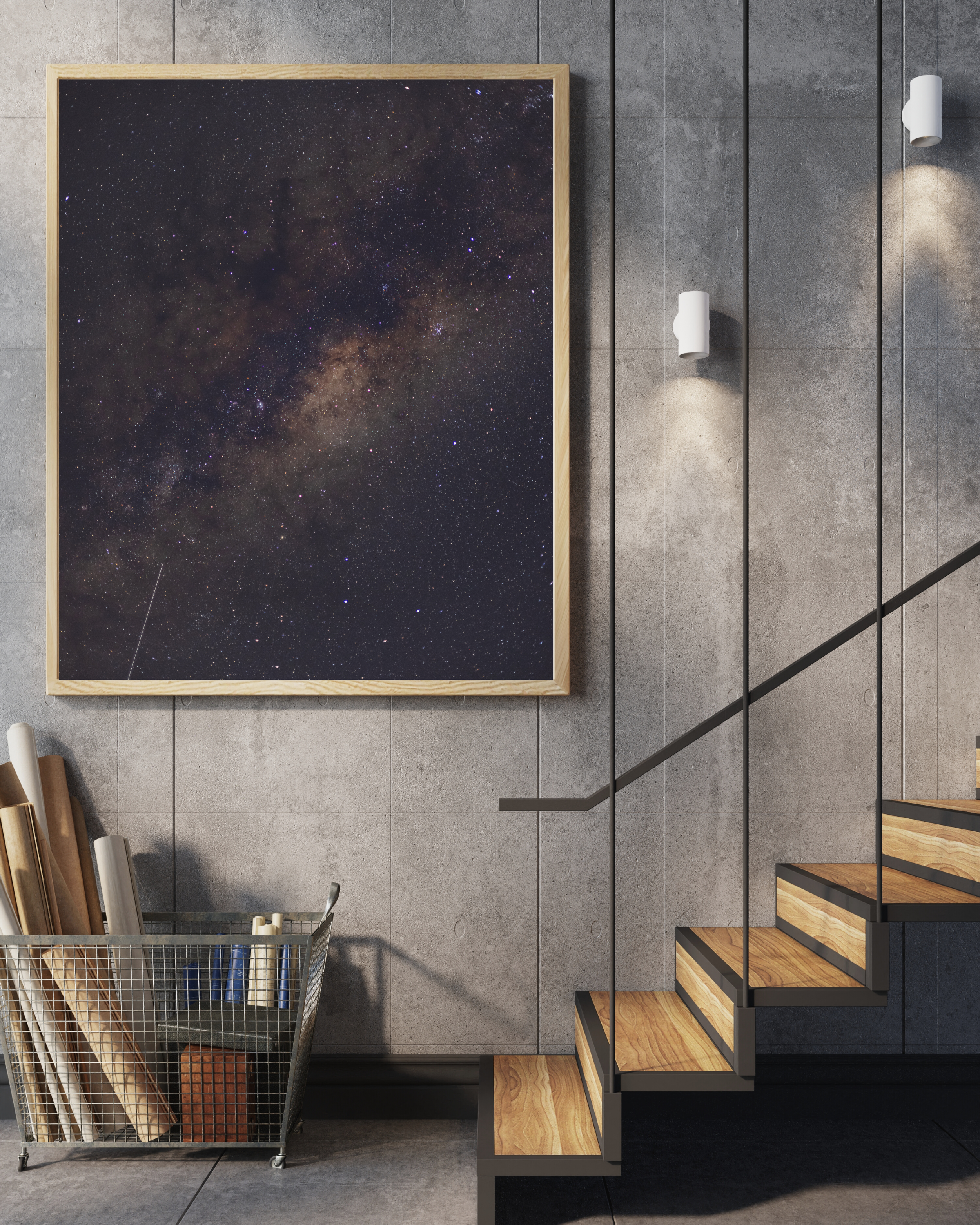
A Starry Night Print
Hanging Out Under the Stars (With a Camera)
I’ll be honest, being an astrophotographer means a lot of standing around in the dark, usually when it’s freezing cold and everyone else is asleep. It sounds a bit crazy, but there’s a total peace to it that you don’t get during the day. When you’re out there at 2:00 AM, it’s just you, the sound of the ocean, and a sky full of stars.
The goal is always to try to capture what we can’t see with just our eyes. By leaving the shutter open for thirty seconds, you start to see the colors of the Milky Way and the sheer scale of what’s happening above us.
The Struggle: Night Sky Photography in Kommetjie
It’s definitely a bit of a mission. You have to get the settings just right, make sure the tripod is steady in the wind, and pray that a stray cloud doesn’t ruin the shot. If you’ve ever spent a night out on the coast here, you know the wind doesn't play fair. Trying to keep a camera perfectly still for a long exposure while the Atlantic breeze is trying to knock you over is half the battle.
I’ve spent many nights standing near the Slangkop Lighthouse or tucked away on the rocks, checking my focus over and over again. You’re usually wearing three layers of hoodies, sipping lukewarm coffee, and hoping your batteries don't die from the cold. It’s definitely not the most "glamorous" part of photography, but it’s probably the most rewarding.
How Astrophotography Captures the Milky Way
What I love most about night sky photography is how it changes your perspective. During the day, we see the ocean, the mountains, and the lighthouse as they are. But at night, astrophotography allows us to pull out details that have been there the whole time, just hidden by the dark.
When you finally dial in those settings, balancing a high ISO with a wide-open aperture, the back of the camera suddenly lights up with stars you didn't even know were there. You start to see the dust clouds of the galactic core and the subtle greens and purples in the atmosphere. It’s a slow way of working, but it forces you to stop and actually look at the world.
The Big Payoff
But when you look at the back of the camera and see those stars popping over the coastline, it’s a massive win. All the cold hands and the lack of sleep suddenly don't matter. You’ve captured a moment that most people slept right through.
For me, this isn't just about technical settings; it’s about that quiet, slow way of working. It’s probably my favorite way to see the world, one 30-second frame at a time. It reminds you how big the universe is and how lucky we are to have a front-row seat to it right here on the coast.
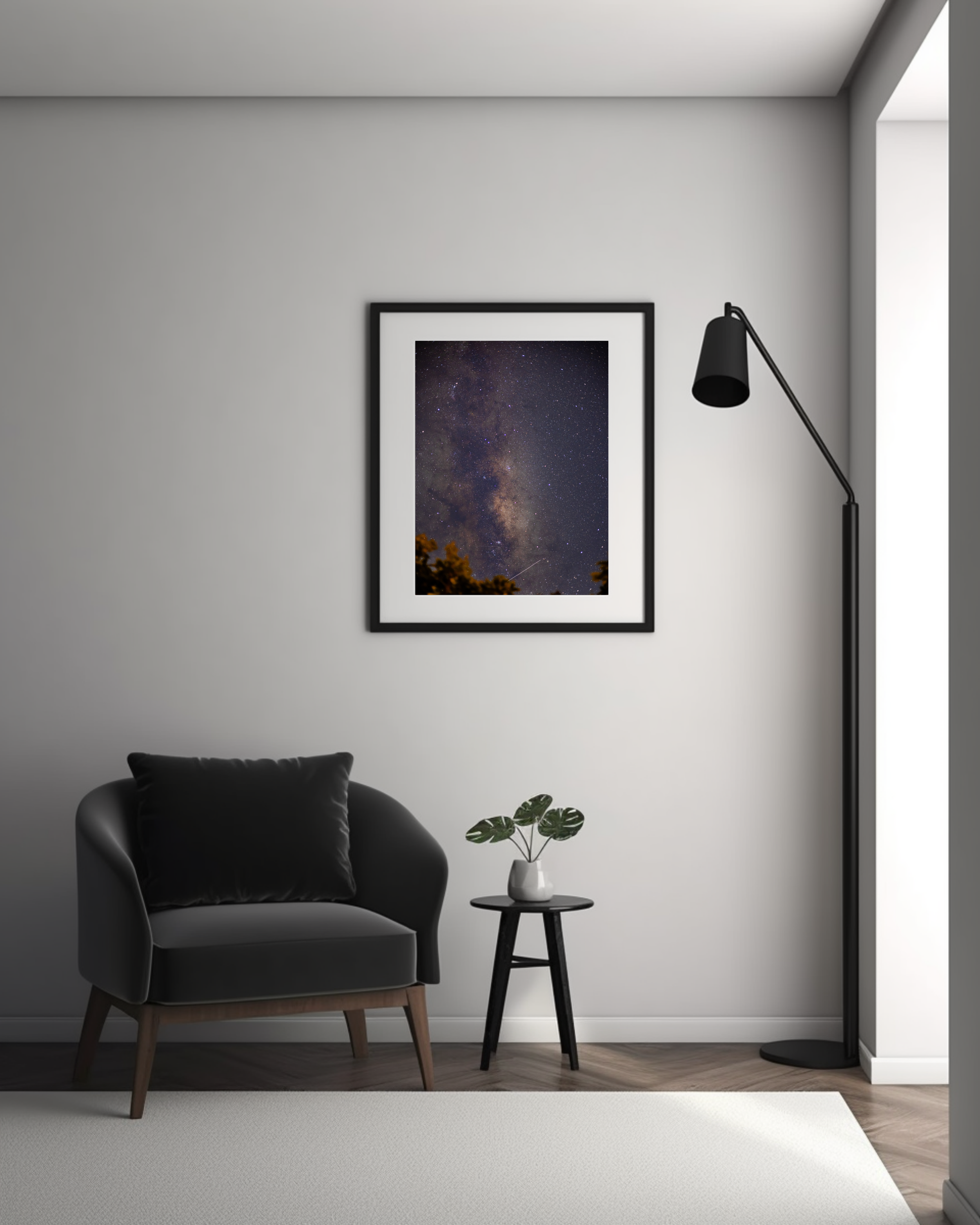
Deep Space: Cape Town Stars Print